
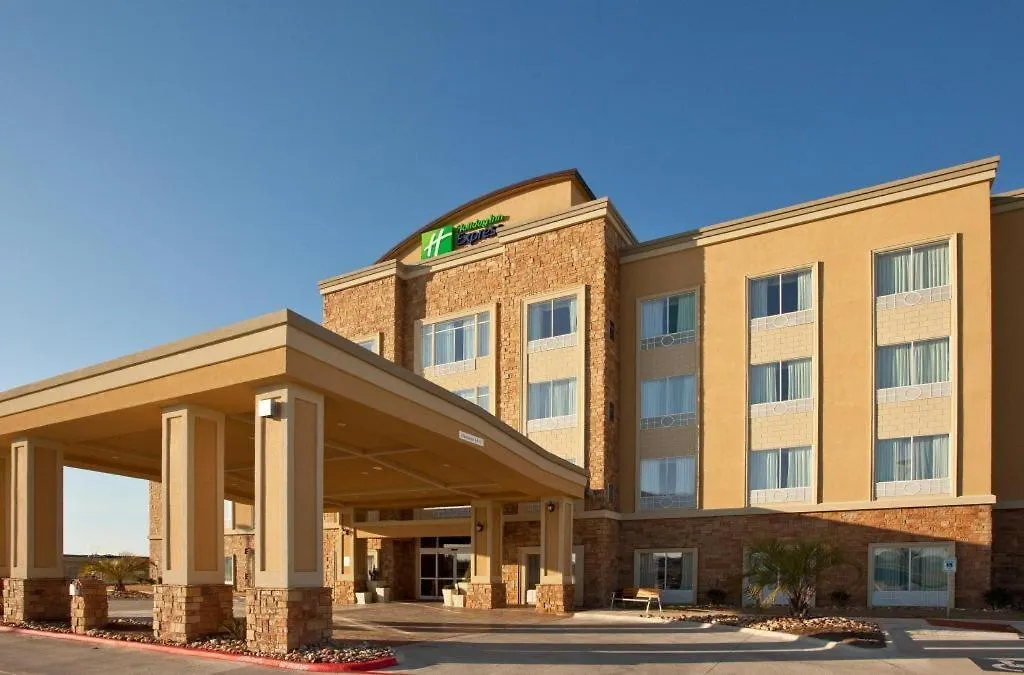
Texas Wine Country - centered on the Texas Hill Country corridor stretching from Dripping Springs through San Marcos and toward the San Antonio edge - has grown into one of the Southwest's most visited wine and outdoor destinations, with over 50 wineries operating within a short drive of I-35. Holiday Inn Express properties anchor this corridor at key towns including Dripping Springs, Lakeway, Buda, San Marcos, Selma, and Gainesville, giving travelers a reliable, consistent base without the premium pricing of boutique vineyard lodges. Each property includes free breakfast, free parking, and free WiFi - a practical combination that adds real value when you're spending most of your budget on wine tastings, river activities, and dining.
What It's Like Staying in Texas Wine Country
Texas Wine Country is not a walkable urban destination - it's a driving region where distances between wineries, state parks, and towns average around 20 miles, meaning a car is non-negotiable for any meaningful exploration. The Hill Country corridor sees its heaviest traffic on weekends, particularly from April through October, when Austin day-trippers flood Dripping Springs, Wimberley, and Fredericksburg. Staying at a hotel along the I-35 spine gives you fast access to both Austin's urban amenities and the rural wine trail, which suits travelers who want flexibility without committing to a single village.
Pros:
- Strategic I-35 positioning connects you to Austin (under 30 miles from most properties), San Antonio, and the Hill Country wine trail without backtracking
- Free parking at every property eliminates the daily cost that urban hotels in Austin typically charge
- Dripping Springs and Buda locations place you within 10 miles of award-winning wineries like Duchman Family Winery and Fall Creek Vineyards
Cons:
- No walkable town centers - every activity requires driving, which limits spontaneous evening exploration
- Peak weekend traffic on TX-290 and RR 12 can add significant time to winery-hopping routes
- Limited fine dining within walking distance of most hotel locations compared to Fredericksburg's main street
Why Choose Holiday Inn Express Hotels in Texas Wine Country
Holiday Inn Express properties in this region consistently deliver a no-surprise experience: rooms are standardized, breakfast is always included, and parking is always free - a combination that cuts around $30 per night off your real cost compared to boutique Hill Country inns that charge separately for these. Room sizes at these properties run larger than equivalent Austin city-center hotels, typically offering queen or king rooms with sitting areas rather than compact urban formats. The trade-off is ambiance - you won't get a vineyard view or a porch with rocking chairs, but you will get a functional business-grade room that works well as a recovery base after full days on the wine trail.
Pros:
- Free hot breakfast included at all properties - a real cost saver over multiple nights
- Outdoor pools at most locations make warm-weather stays significantly more comfortable in Texas summer heat
- IHG One Rewards points accumulation across all six properties benefits frequent travelers using the brand network
Cons:
- No vineyard atmosphere, fire pits, or Hill Country architectural character that boutique lodges provide
- Business-center focused design means common areas feel functional rather than relaxing or scenic
- Some properties sit near highway interchanges, which can generate road noise in lower-floor rooms
Practical Booking & Area Strategy for Texas Wine Country
For wine trail access, the Dripping Springs and Buda properties are the strongest base camps - Dripping Springs sits at the gateway to the Hamilton Pool Road winery corridor, and Buda places you just 22 km from Austin Convention Center while keeping costs below downtown Austin rates. The Lakeway property suits travelers prioritizing Lake Travis water activities, putting you within 5 miles of Mansfield Dam Recreation Park for boating and fishing. San Marcos is the right pick if you're combining wine country with outlet shopping at San Marcos Premium Outlets or tubing the San Marcos River, while the Selma location works best as a San Antonio-edge base for visiting Schlitterbahn Waterpark or AT&T Center events. Gainesville, located off I-35 near the Oklahoma border, is a different use case entirely - best suited for highway travelers en route rather than dedicated wine country exploration. Book at least 6 weeks ahead for spring and fall weekends, when Austin and San Antonio visitors simultaneously target Hill Country, driving occupancy to near-full levels across all corridor towns.
Best Value Stays
These properties offer the strongest cost-to-location ratio along the Texas Wine Country corridor, with direct access to Hill Country wine routes, Austin, or San Antonio without boutique-lodge pricing.
-
1. Holiday Inn Express & Suites Austin South-Buda By Ihg
Show on map


 Check-infrom 15:00 until 23:59Check-outuntil 12:00
Just a few rooms left at the best rate!
fromUS$ 110
-
2. Holiday Inn Express & Suites - San Marcos South By Ihg
Show on map


 Check-infrom 15:00 until 23:59Check-outuntil 11:00
Just a few rooms left at the best rate!
fromUS$ 179
-
3. Holiday Inn Express & Suites Selma By Ihg
Show on map


 Check-infrom 15:00 until 23:59Check-outuntil 11:00
Hurry – almost gone at this price!
fromUS$ 174
-
4. Holiday Inn Express Hotel & Suites Gainesville By Ihg
Show on map


 Check-infrom 15:00 until 23:59Check-outuntil 11:00
Hurry – almost gone at this price!
fromUS$ 85
Best Premium Picks
These two properties offer stronger location-specific advantages - proximity to Austin's wine gateway suburbs and Lake Travis - and are consistently in higher demand during peak Hill Country season.
-
5. Holiday Inn Express & Suites - Dripping Springs - Austin Area By Ihg
Show on map


 Check-infrom 15:00 until 23:30Check-outuntil 11:00
Rooms filling fast – secure the best rate!
fromUS$ 170
-
6. Holiday Inn Express & Suites Austin Nw - Lakeway By Ihg
Show on map


 Check-infrom 15:00 until 23:59Check-outuntil 11:00
Rooms filling fast – secure the best rate!
fromUS$ 175
Smart Travel & Timing Advice for Texas Wine Country
The Texas Hill Country wine season peaks twice a year: spring (March through May) for wildflower season and harvest festivals, and fall (September through November) for grape harvest events and cooler temperatures. Spring weekends in April fill corridor hotels fastest, often reaching full capacity across Dripping Springs, Buda, and San Marcos simultaneously when the bluebonnet bloom draws Austin day-trippers overnight. Summer stays (June through August) are viable but require prioritizing properties with outdoor pools, as temperatures regularly exceed 100°F. Winter (December through February) is the quietest window, with lower rates and fewer crowds on the wine trail - ideal for travelers who prefer unhurried winery visits. Most travelers find that 2 nights is the practical minimum for a meaningful Hill Country wine circuit; 3 nights allows you to combine wineries with Wimberley, the Comal River, or Lake Travis without rushing. Book 6 weeks ahead for any April or October weekend - last-minute availability is rare during these peak windows across all six properties.


